Summer Dog Grooming in Lisbon: Heat, Humidity, Beach and Ticks
A practical Lisbon summer guide for dog owners: heat stroke prevention, why double coats should never be shaved, beach and saltwater care, and how to protect against ticks and sandfly-borne leishmaniasis in Portugal.

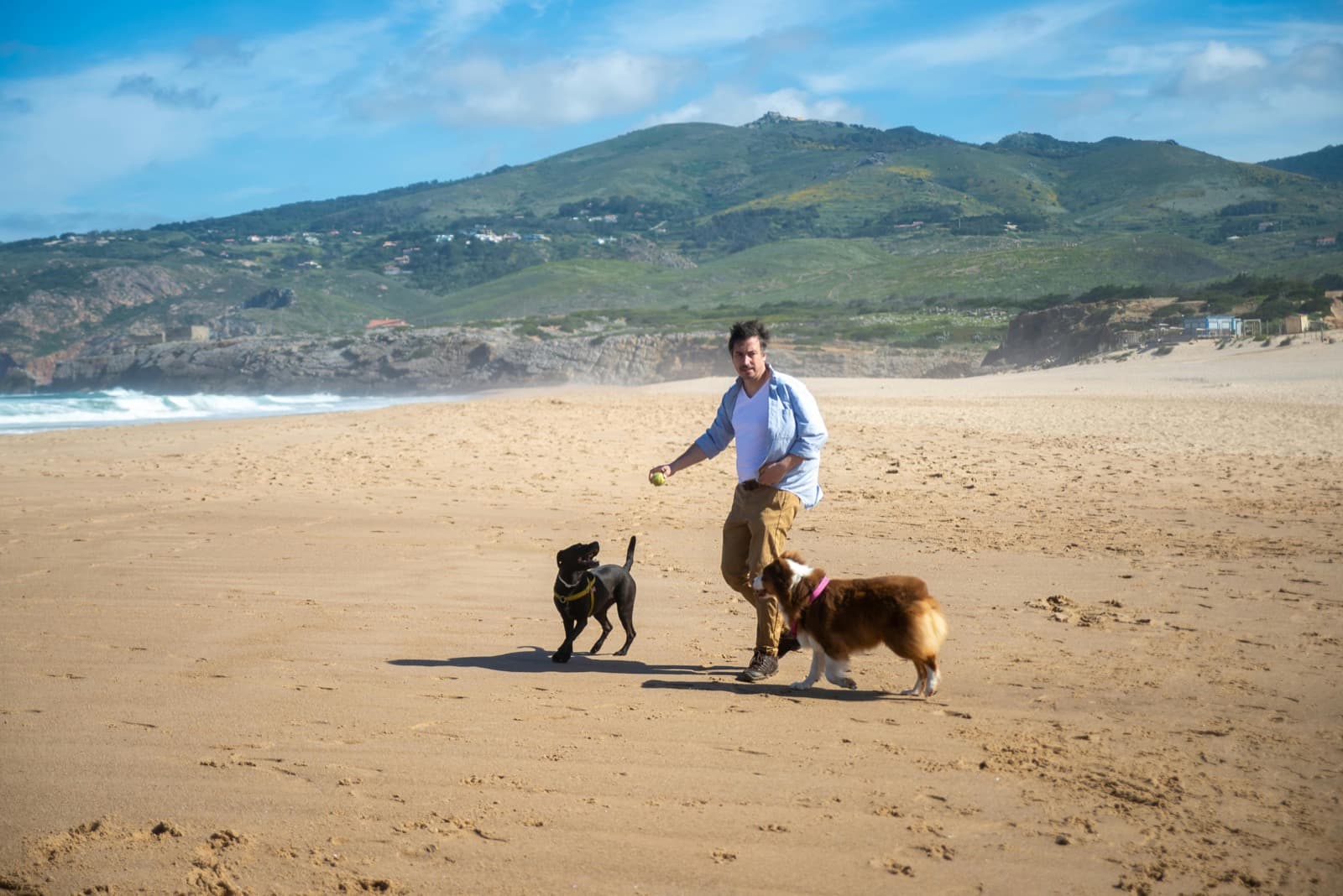
To keep your dog safe during a Lisbon summer, walk only before 9am or after 8pm, never shave double-coated breeds, and use a Scalibor or Advantix collar against sandflies and ticks. With highs of 28-35°C and Atlantic humidity of 60-75%, pavement can hit 60°C and leishmaniasis risk peaks at dusk. A professional deshedding groom beats shaving every time.
Heat, Pavement and Your Dog's Paws
Lisbon's July and August days sit around 28-29°C on average, but heat spikes to 35-40°C are not rare, and the city's dark pavement cooks from below as much as the sun cooks from above. When the air is 30°C, asphalt can easily reach 50-60°C. A dog's paw pads are tough, but they are not heatproof. Burns on the pads are nasty, slow to heal, and entirely preventable.
The simplest field test is the 7-second rule: press the back of your hand to the pavement for seven seconds. If you cannot hold it there, your dog cannot walk on it. Grass, shade, cobblestones in older neighbourhoods, and the strips of stone along the Tagus are all cooler than asphalt. Walk before 9 in the morning or after 8 in the evening during peak summer. Middle of the day is for shade, water, cool tiles indoors, and rest.
Heat stroke: what to watch for
Heat stroke kills dogs every summer in Portugal. Catch it early and you can intervene. The signs escalate in this order:
- Heavy, desperate panting that does not slow down when the dog rests
- Thick, ropey drool
- Bright red or brick-red gums and tongue
- Weakness, stumbling, glassy eyes
- Vomiting or diarrhoea
- Collapse, seizures, unconsciousness
A dog's normal body temperature is 38-39°C. Above 40°C is an emergency. Do not wait to see if it passes.
First aid before the vet
If you suspect heat stroke: move the dog into shade or air conditioning immediately. Pour cool (not ice-cold) water over the body, concentrating on the groin, armpits, neck and paws, where blood vessels sit close to the skin. Wet towels work well. Offer small sips of cool water if the dog is conscious. Use a fan or drive with the windows open on the way to the clinic.
Do not use ice or ice baths. Ice causes the surface blood vessels to clamp shut, which traps heat deep in the body and can make things worse. Cool water, not cold water, is the rule.
Even if your dog seems to recover, go to the vet. Heat stroke can damage kidneys, gut and clotting in ways that show up hours later.
Flat-Faced Dogs, Hot Cars and Portuguese Law
Some dogs are at permanently higher risk in summer. Flat-faced breeds - French Bulldogs, Pugs, Boxers, Shih Tzus, English Bulldogs, Boston Terriers - overheat faster than other dogs because their shortened airways cannot move enough air to cool the body by panting. Add a warm Lisbon afternoon and a bit of humidity and these dogs can be in real trouble in minutes.
If you share your home with a brachycephalic dog, the rules get stricter. Walks during cooler hours only. No stairs climbs in peak heat. No long car journeys without air conditioning. Extra water stops. Pay close attention to breathing noise: if the panting becomes loud, raspy or stridor-like, stop everything and cool the dog down.
Never leave a dog in a parked car
This should be obvious by now, but every single summer dogs die in parked cars in Portugal. A car parked in the sun reaches 40°C inside within about 10 minutes on a 25°C day. Cracked windows do almost nothing. Shade shifts. The inside of a car is a greenhouse, and a dog's body cannot cope.
What Portuguese law says
Animal abandonment and cruelty in Portugal fall under the Penal Code, specifically Article 387. Leaving a dog in conditions that cause suffering can bring fines up to around €5,000 and, in serious cases, other penalties. The practical point for owners is this: if you see a dog locked in a hot car, you are allowed to act, and you should. Call 112, note the license plate, and if the dog is in clear distress, call the local police or GNR. Do not rely on the owner "coming right back."
You are also liable yourself. If something happens to your own dog in a parked car, it is not a misfortune, it is a choice. Plan your errands so the dog stays home with water and shade.
The Shaving Myth: Please Do Not Shave Your Double-Coated Dog
Every June we get the same request, and every June we say the same thing. "It is too hot. Can we just shave him down for summer?" If your dog has a double coat, the honest, professional answer is no. Shaving will not help. It is likely to make your dog's summer worse, not better, and the effects can last for years.
Double-coated breeds include Huskies, Golden Retrievers, Australian Shepherds, Border Collies, German Shepherds, Samoyeds, Bernese Mountain Dogs and Pomeranians, among others. Their coat is built in two layers. Long, coarse guard hairs on top shed water and block UV. A soft, dense undercoat sits underneath and traps a layer of still air against the skin. That trapped layer is the key. It insulates against cold in winter, and it insulates against heat in summer. The coat is actually a thermal barrier working in both directions.
What happens when you shave a double coat
When you shave that coat down to the skin, you strip away the insulation and expose the skin to direct sun. Your dog feels hotter, not cooler, because the coat that was keeping warm air from the pavement and UV away from the skin is gone. Pale-skinned dogs sunburn. Sunburn on dogs increases the long-term risk of skin tumours.
Then there is post-clipping alopecia. Double coats do not always grow back correctly after a short shave. The undercoat tends to grow back first and faster, but the guard hairs can take months or fail to return, leaving a patchy, cottony, dull coat that never protects quite the same way again. We have seen Huskies whose coats were shaved one summer ten years ago and never looked right since.
The one honest exception
If a double-coated dog is matted down to the skin, or has a serious medical condition, a veterinary shave may be the kindest choice. That is a medical decision, taken with a vet, and it is not what we mean by "grooming for summer." For a healthy double-coated dog, the answer is always the same: do not shave.
The Right Approach: Deshedding, Brushing and Smart Bathing
If shaving is wrong, what is right? The answer is boring, but it works: remove dead undercoat, keep the guard hairs clean and intact, and give the coat the airflow it is designed for.
The single most useful thing you can do for a double-coated dog in summer is a thorough deshedding session with a proper undercoat rake or high-quality deshedding tool. A good groomer will bathe the dog, use a high-velocity dryer to blow out the loose undercoat, and work through the coat with an undercoat rake. Done properly, this removes kilograms of dead hair, opens the coat so air can move through it, and leaves the weather-protective guard coat intact.
At PawsN'Surf, this is the service we recommend for double-coated dogs in summer. A full-body groom with bath, deshedding, proper drying and coat finishing gives a Husky or Golden Retriever a cooler, lighter, cleaner coat without removing the insulation that protects their skin.
Between professional visits, brush at home twice a week. You do not need an expensive tool - a slicker brush and an undercoat rake go a long way. Brush all the way down to the skin, not just the top layer. If the brush slides without tension, you are only working the surface. If you feel resistance, you are actually removing dead undercoat. For a longer answer on home maintenance, we have a separate guide on coat care between grooming appointments.
How often should your dog come in?
For most double-coated dogs in Lisbon summers, a professional deshedding groom every 6 to 8 weeks works well. Heavier shedders or dogs who swim often may need more frequent sessions. We go deeper into this in our article on how often you should groom your dog, which breaks it down by coat type.
A note on bathing at home
Do not over-bathe. Washing a dog every week strips the natural oils that keep skin and coat healthy, and in the Lisbon summer a dry, irritated skin is the last thing you want. Once a month is enough for most dogs, unless something has happened - a mud session in Monsanto, a swim in questionable water, a roll in something dead. After the beach, a plain fresh-water rinse is different from a full shampoo bath, and we will come back to that in a moment.
Beach and Ocean Care
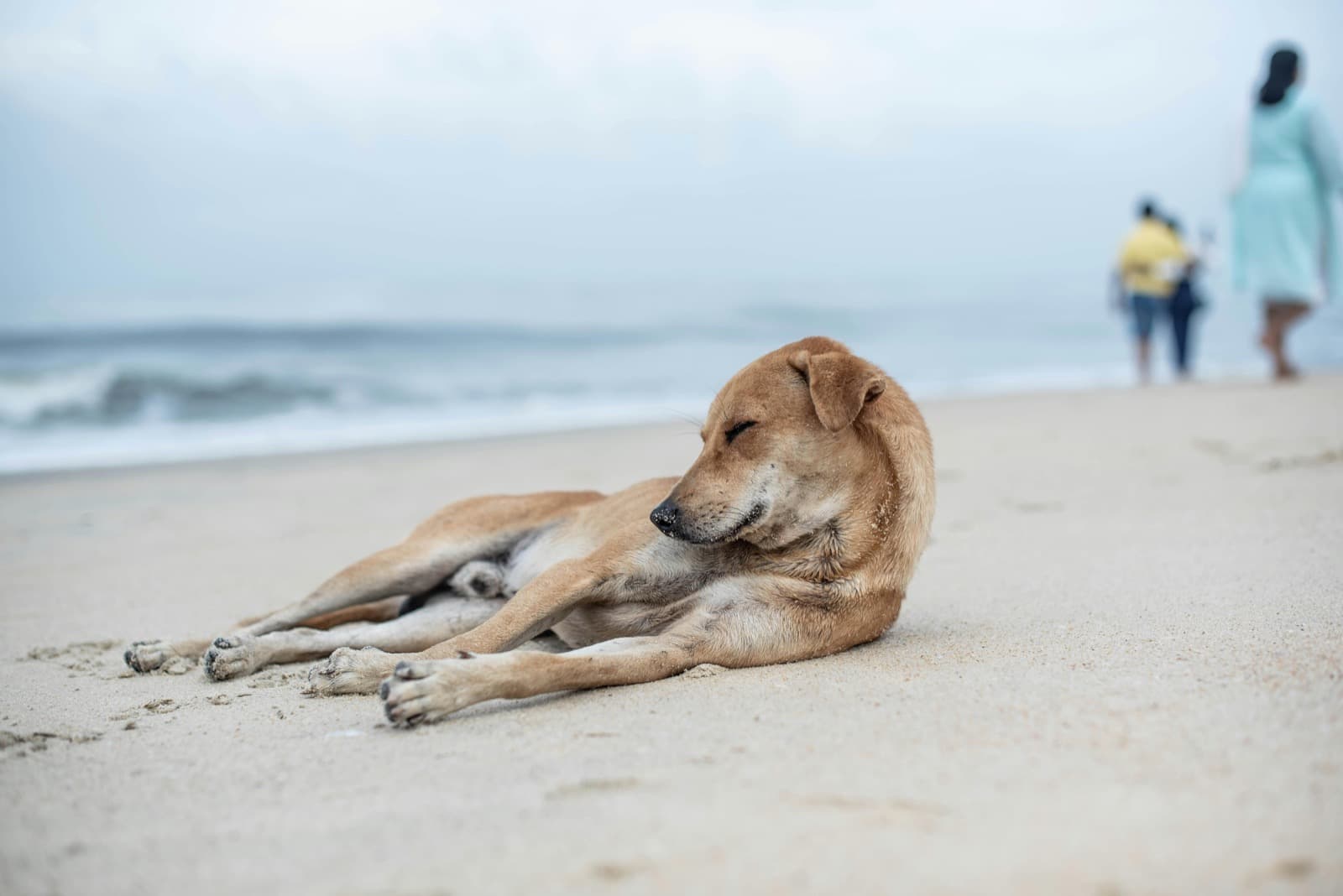
Living near Lisbon means your dog probably gets beach time. Costa da Caparica, Carcavelos, Praia do Guincho, the quieter beaches beyond Sintra - they are all within easy reach, and dogs love the salt air, the open space and the water. Just know that what feels like a perfect day for your dog leaves a lot of mess behind on the skin and coat if you do not handle it properly.
Rinse with fresh water, always
Saltwater dries out the skin and crystallises in the coat. A dog that goes home sandy, salty and sun-baked is a dog who will itch, flake and scratch for the next few days. After every beach day, rinse with plenty of fresh water. A hose, a shower at the beach car park, a bucket with a cup - whatever works. Focus on the belly, armpits, groin and paws, where salt and sand hide. This is not a shampoo bath. Just water. Skip the shampoo unless the dog is genuinely dirty, because repeated shampoo on beach days dries the skin out faster than the salt does.
Do not let them drink the sea
Dogs tend to lap up seawater without thinking, especially when they are hot and tired. A few mouthfuls are unpleasant; a lot of seawater causes sodium imbalance, vomiting and diarrhoea, and in serious cases can be genuinely dangerous. Bring your own fresh water. A collapsible travel bowl costs a few euros and fits in any pocket. Offer water before the dog looks thirsty, not after.
Ears, paws and sand
Sand inside the ear plus humidity is a classic recipe for otitis. Flop-eared dogs, Cocker Spaniels, Portuguese Water Dogs, Golden Retrievers, all are at higher risk because the ear canal stays warm and damp. After swimming, dry the ears gently with a soft towel or a cotton pad. Do not push anything into the canal. If you see redness, head shaking, a smell or the dog rubbing the ear, get it checked.
Paw pads take a beating on hot sand and salty rocks. Rinse them with fresh water and check for little cuts, splinters or cracks. A simple paw balm applied at night helps them heal faster. If you notice limping after a beach day, check between the toes as well - sand can pack into the webbing and irritate the skin.
Ticks, Sandflies and Leishmaniasis in Portugal
This is the section that many new arrivals in Portugal do not hear about until their dog is already at risk. Portugal is an endemic country for leishmaniasis, a parasitic disease transmitted by a small biting insect called a sandfly. In the Lisbon area, the main species is Phlebotomus perniciosus. Sandflies are active roughly from May to October, are most active at dusk and dawn, and are small enough to pass through regular mosquito screens.
Leishmaniasis is a chronic disease that affects the skin, internal organs and immune system. It is not something you treat casually. Prevention is the whole game.
The prevention stack
Speak to your vet - this is not a DIY area - but the typical toolbox looks like this:
- Scalibor collar or Advantix spot-on: both repel sandflies and ticks. Pick one, use it consistently, and follow the product's timing. These two products are the frontline of sandfly repellence in Portugal.
- CaniLeish or Letifend vaccine: two different vaccines against canine leishmaniasis available in Portugal. They are not replacements for repellents, they work together with them. Your vet will advise which protocol fits your dog's age, health and lifestyle.
- Avoid outdoor exposure at dusk and dawn in high-risk months when possible. This does not mean keeping your dog locked up; it means being thoughtful about long evening walks in grassy or wooded areas in July and August.
Ticks specifically
The brown dog tick (Rhipicephalus sanguineus) is widespread in Portugal and can transmit ehrlichiosis and babesiosis - both serious diseases. Dogs who walk in parks, on trails, in the countryside or anywhere near tall grass are at risk. Check your dog every single day in summer, and especially after walks.
The places to check are the places ticks love: inside the ears, around the eyes, under the collar, on the neck, in the armpits, between the toes, around the groin and tail base, and along the belly where fur is thin. Run your hands slowly through the coat, feeling for any small bump. Early ticks are the size of a sesame seed; fed ticks can be the size of a raisin or larger.
None of this is meant to terrify you. Plenty of dogs live long, healthy lives in Portugal with sensible prevention. The message is: do not skip it.
How to Remove a Tick Properly
You find a tick. Now what? A tick is most dangerous the longer it stays attached, so quick, correct removal matters. Done badly, removal can actually inject more pathogens into your dog than leaving it alone for a few extra minutes would.
What you need
- A tick hook (sold in any pet shop or pharmacy in Portugal - very cheap and very effective) or fine-tipped tweezers
- A small container with alcohol or a sealed bag to dispose of the tick
- A pair of clean hands and a calm dog
Step by step
- Part the fur so you can see the tick clearly and the skin underneath.
- Slide the tick hook so the tick sits in the V-shape of the tool, right at the level of the skin. With tweezers, grip the tick by its head, as close to the skin as possible. Do not squeeze the body.
- Pull slowly and steadily straight upward. With a tick hook, a gentle twist as you lift helps. Do not yank.
- The whole tick should come out in one piece. If the head stays behind, try to lift it out with the tweezers or leave it alone and let the body deal with it - do not dig at it.
- Drop the tick into alcohol or seal it in a bag to kill it. Do not squish it with your fingers.
- Clean the bite spot with water and a mild antiseptic. Watch the area for the next two weeks.
What not to do
Never burn a tick off. Never cover it in oil, petroleum jelly, alcohol or nail polish to "suffocate" it. These old tricks stress the tick and make it much more likely to regurgitate the contents of its gut - including any pathogens - into your dog. They also do not actually work. Mechanical removal with the right tool is the only method that makes sense.
If the bite area becomes swollen, red, or hot over the following days, or if your dog becomes lethargic, loses appetite, develops a fever, or has pale gums in the weeks after a tick bite, see your vet. Tick-borne diseases are treatable, and early is much better than late.
Hydration, Walk Timing and Day-to-Day Summer Care
The last piece is the unsexy one that actually prevents most problems: hydration, timing and simple routine.
How to tell if your dog is getting enough water
Two quick checks work at home.
- Skin tent test: gently lift the loose skin over your dog's shoulders and let go. It should snap back immediately. If it lingers, your dog is dehydrated.
- Gums: healthy gums are pink and wet. Dry, tacky, sticky gums mean fluid levels are dropping.
Both of these go hand in hand with behaviour. A dog who is slowing down, refusing to walk, or seeking cool floors more than usual is telling you something.
Offer water every 20 to 30 minutes on a warm walk. A collapsible travel bowl in your bag is the simplest upgrade you can make this summer. At home, keep at least two water stations in different rooms, refresh the water twice a day, and wash the bowls with soap regularly - warm weather grows biofilm fast.
Walk timing
In July and August in Lisbon:
- Before 9 am: safe.
- 9 am to 6 pm: too hot for normal walks on most days. Bathroom breaks only, short, on shade, on cooler surfaces.
- After 8 pm: safe for most dogs.
Shift the bigger walk to the morning. Evenings in summer can still be 24-26°C and the city's stone holds heat for hours after sunset, so feel the pavement before you commit to a long route.
Where to take them
For genuine outdoor time in summer, we recommend Monsanto, the forest trails near Sintra, and the cooler waterfront stretches along the Tagus early in the day. Our Lisbon dog-friendly guide lists specific parks, cafes and beaches worth the trip.
General coat maintenance to keep on top of
- Brush 2 to 3 times a week, minimum, for dogs with any kind of undercoat.
- Don't over-bathe. Monthly is enough for most dogs unless they are dirty.
- Daily tick check, especially after any walk in grass or trail.
- Wipe down the paws and belly with a damp cloth after every walk, to remove grass seeds, pollen and dust.
- Watch for hot spots: red, wet, irritated patches of skin that can appear overnight in humid weather. These need prompt cleaning, drying and, often, a vet visit.
When to Bring Your Dog to Us (And When to Go Straight to the Vet)
We are groomers, not miracle workers. There are problems we can help with, and there are problems where the right answer is a vet. Being clear about the difference is part of our job.
Signs your dog needs a professional grooming session soon
- Heavy, matted undercoat that you cannot brush through at home, even with the right tools.
- A coat that smells regardless of how often you rinse.
- Dull, greasy or sticky feel to the fur, or visible clumps that will not come apart.
- Excessive shedding beyond the normal seasonal blow-out.
- Sand, salt and crusted dirt deep in the coat after a beach-heavy weekend.
- Overgrown fur between paw pads that is catching debris, or nails clicking loudly on the floor.
- Ears that smell slightly but are not visibly inflamed or painful - a careful cleaning during grooming may be enough.
For any of these, book us. A proper deshedding bath, high-velocity dry and thorough brush-out makes an enormous difference and usually buys you six to eight weeks of easier at-home maintenance.
Go to the vet first, not the groomer
- Red, inflamed skin or visible sores that were not there last week.
- Rapidly worsening ear issues: head shaking, whimpering when the ear is touched, strong smell, dark discharge.
- Bald patches, scabs, or hair coming out in clumps in a localised area.
- A tick you tried to remove but the head stayed in and the skin is inflamed.
- Any sign of heat stroke, even a mild one that seems to pass. Bloody stool, pale gums, extreme lethargy, repeated vomiting.
- Lameness, pain, or refusal to put weight on a paw.
These are medical problems. We would rather you see a vet, get the right treatment, and then come to us when your dog is comfortable and ready for a proper summer groom. Grooming a dog with an active skin infection or untreated otitis usually makes things worse.
If you are not sure which camp your dog falls into, just ask. Send us a photo, describe what you are seeing, and we will tell you honestly whether it is for us or for the vet.