How Often Should You Groom Your Dog? A Breed-by-Breed Guide
Every breed has different grooming needs. Learn the ideal grooming schedule for your dog based on coat type, breed, and lifestyle.

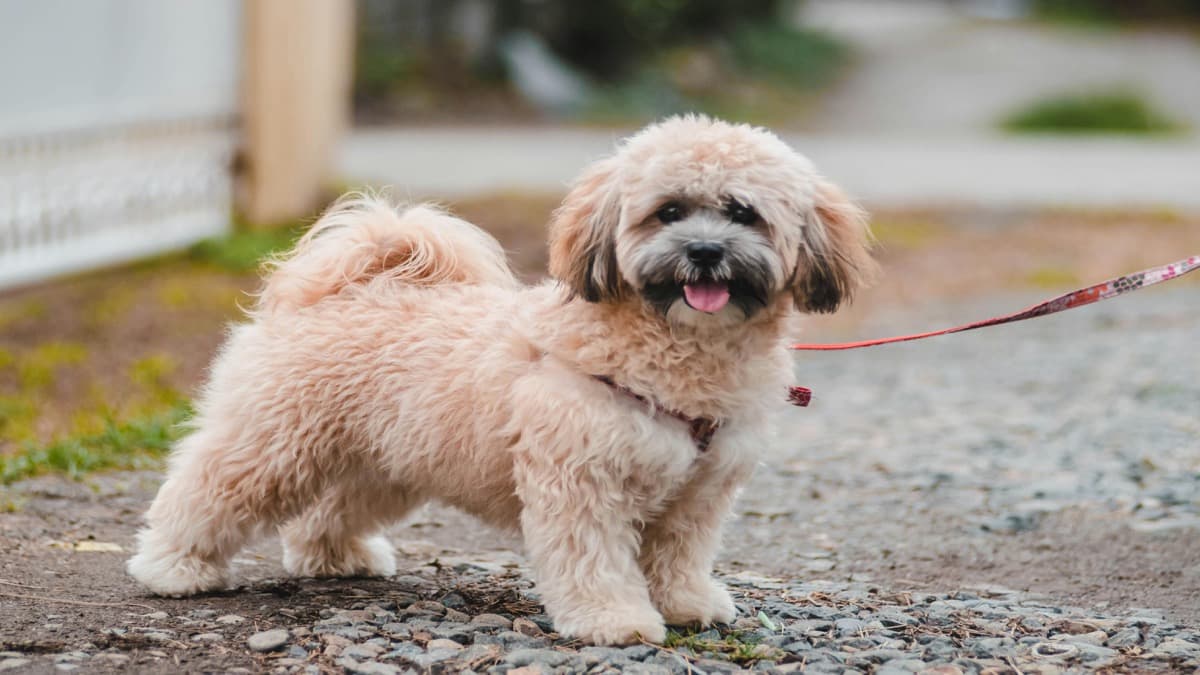
Most dogs need a professional groom every 4 to 12 weeks, depending on their coat type. Short smooth coats like Labs and Beagles can stretch to 8 to 12 weeks, double coats like Huskies and Golden Retrievers do best at 6 to 8 weeks, and curly, long silky, or wire-coated breeds usually need an appointment every 4 to 6 weeks plus daily brushing at home.
Why Regular Grooming Matters
Grooming is not just about keeping your dog looking neat. It is a core part of their health routine.
Skin health and early detection. A professional groomer handles every inch of your dog's body. We often spot things owners miss: small lumps, skin irritations, ticks hidden deep in fur, early signs of hot spots or fungal infections. Catching these early makes treatment simpler and less expensive.
Preventing matting. Mats are more than an aesthetic problem. When fur tangles tightly against the skin, it pulls with every movement. Severe matting restricts blood flow, traps moisture, and creates the perfect environment for skin infections. In extreme cases, mats can cause open sores. Regular grooming prevents this entirely.
Nail health. Overgrown nails force your dog to shift their weight unnaturally. Over time, this affects posture, joint alignment, and can lead to chronic pain, especially in older dogs. If you hear nails clicking on the floor, they are already too long.
Ear hygiene. Breeds with floppy ears (Cocker Spaniels, Basset Hounds, Cavalier King Charles Spaniels) are especially prone to ear infections. Regular cleaning removes wax buildup and allows air circulation. Left unchecked, ear infections become painful and can cause permanent damage.
Bonding and handling. Dogs who are groomed regularly from a young age learn to be comfortable with being touched, held, and examined. This makes veterinary visits easier and reduces stress for both you and your dog.
Grooming Frequency by Coat Type
Wire and Rough Coats - Every 6 to 8 Weeks
Breeds: Schnauzers (Miniature, Standard, Giant), Fox Terriers, Border Terriers, Wire-haired Dachshunds, West Highland White Terriers, Airedale Terriers, Irish Wolfhounds.
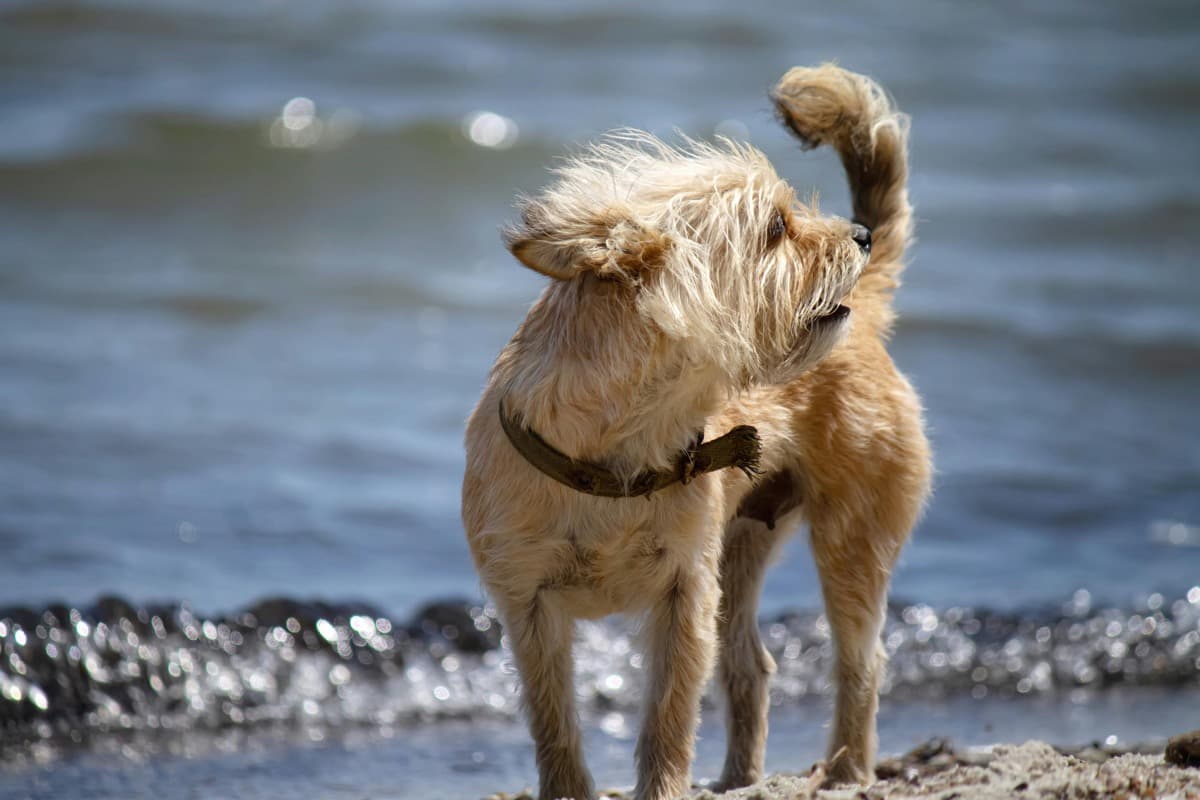
Wire-coated breeds have a distinctive rough texture that requires specific maintenance. These coats don't shed much on their own, but the dead undercoat needs to be manually removed through hand stripping or clipping every 6 to 8 weeks.
Hand stripping preserves the coat's natural texture and color. Clipping is faster and more comfortable for some dogs, but it softens the coat over time. Your groomer can help you decide which method suits your dog best.
At home: Brush weekly with a slicker brush to prevent tangles and remove debris. Pay extra attention to the beard and leg furnishings on Schnauzers and terriers, as these areas mat quickly.
Long and Silky Coats - Every 4 to 6 Weeks
Breeds: Yorkshire Terriers, Shih Tzus, Maltese, Afghan Hounds, Lhasa Apsos, Havanese, Cocker Spaniels.
Long-coated breeds are beautiful, but they demand consistent care. Without regular trims, the hair tangles and mats rapidly, particularly behind the ears, under the legs, and around the collar area.
These breeds benefit from professional grooming every 4 to 6 weeks. Between visits, daily brushing (or at minimum every other day) is essential. Use a pin brush for general maintenance and a metal comb to check for hidden tangles close to the skin.
Long-eared breeds like Cocker Spaniels and Shih Tzus are also more prone to ear infections. We include ear cleaning with every grooming session for these breeds, and you should check ears weekly at home.
Curly and Wool Coats - Every 4 to 6 Weeks
Breeds: Poodles (Toy, Miniature, Standard), Bichon Frise, Portuguese Water Dogs, Lagotto Romagnolo, Labradoodles, Goldendoodles, Bedlington Terriers.
Curly-coated dogs have hair that grows continuously, much like human hair. This means they don't shed in the traditional sense, but it also means their coat never stops growing. Without regular grooming, mats form close to the skin where you can't see them under the curls.
Professional grooming every 4 to 6 weeks is the standard for these breeds. Some owners stretch to 8 weeks if they maintain a shorter clip and brush diligently at home, but most curly-coated dogs need that monthly appointment.
At home: Brush 3 to 4 times per week with a slicker brush, working in sections from the skin outward. A common mistake is brushing only the surface, which leaves mats forming underneath. Use a metal comb after brushing to verify you've reached the skin.
Double Coats - Every 8 to 12 Weeks, Plus Seasonal Care
Breeds: Golden Retrievers, Labrador Retrievers, Huskies, German Shepherds, Samoyeds, Bernese Mountain Dogs, Akitas, Pomeranians, Corgis, Australian Shepherds.
Double-coated breeds have a soft, dense undercoat beneath a coarser outer coat. This system insulates them in both cold and hot weather. These dogs go through two heavy shedding seasons each year, typically in spring and fall, when the undercoat "blows out."
During blowout season, professional deshedding treatments make a massive difference. These sessions use high-velocity dryers and specialized tools to remove the loose undercoat efficiently, something that would take hours of brushing at home.
A critical note: never shave a double-coated dog. We cannot stress this enough. Shaving removes the natural insulation system and does not help your dog stay cool. The undercoat actually protects against sunburn and overheating. Worse, the coat often doesn't grow back correctly after shaving. The undercoat may grow faster than the guard hairs, leaving the coat patchy, dull, and unable to regulate temperature properly. If your groomer suggests shaving your Husky or Golden Retriever, find a different groomer.
At home: Brush 2 to 3 times per week with an undercoat rake or deshedding tool. Increase to daily brushing during shedding season.
Smooth and Short Coats - Every 8 to 12 Weeks
Breeds: French Bulldogs, Beagles, Boxers, Dalmatians, Whippets, Italian Greyhounds, Pugs, Boston Terriers, Dobermans, Rottweilers.
Short-coated breeds are the lowest maintenance in terms of grooming, but "low maintenance" does not mean "no maintenance." They still need regular baths, nail trims, and ear checks.
Some short-coated dogs are actually heavy shedders. Beagles, Labradors, and Dalmatians shed constantly. Regular bathing with a deshedding shampoo and conditioner helps manage this.
Brachycephalic breeds (French Bulldogs, Pugs, Bulldogs, Boston Terriers) need extra attention to their skin folds. Moisture and bacteria get trapped in facial wrinkles, causing irritation and infection. We clean and dry these folds during every grooming session, and owners should do the same at home between visits.
At home: Brush weekly with a rubber curry brush or grooming mitt. Wipe skin folds daily for flat-faced breeds.
The Complete Grooming Schedule
| Coat Type | Professional Grooming | Home Brushing | Bath | Nail Trim | Ear Check |
|---|---|---|---|---|---|
| Wire/Rough | 6-8 weeks | Weekly | As needed | 4-6 weeks | Monthly |
| Long/Silky | 4-6 weeks | Daily | 3-4 weeks | 4-6 weeks | Every groom |
| Curly/Wool | 4-6 weeks | 3-4x/week | 3-4 weeks | 4-6 weeks | Every groom |
| Double | 8-12 weeks | 2-3x/week | 6-8 weeks | 6-8 weeks | Monthly |
| Smooth/Short | 8-12 weeks | Weekly | 6-8 weeks | 4-6 weeks | Monthly |
Keep in mind these are general guidelines. Your dog's individual needs may vary based on activity level, living environment, and health conditions. Dogs who swim frequently, roll in mud, or spend a lot of time outdoors may need more frequent baths. Senior dogs or those with skin conditions may benefit from a customized schedule.
Signs Your Dog Needs Grooming Now
Don't wait for your regular appointment if you notice any of these:
- Visible mats or tangles. The longer you wait, the worse they get. Small tangles become large mats that may need to be shaved out.
- Nails clicking on the floor. This means they are already affecting your dog's gait.
- Unpleasant odor that persists after a home bath. This could indicate a skin issue, ear infection, or anal gland problems that need professional attention.
- Excessive scratching. Could be parasites, allergies, or skin irritation hiding under the coat.
- Dull, flaky coat. A healthy coat has shine. Dullness and flaking suggest nutritional issues or skin conditions.
- Dirt or dark buildup in ears. This could be the beginning of an infection, especially if your dog is shaking their head or scratching at their ears.

Between Grooming Sessions: What You Can Do at Home
Professional grooming is important, but what you do between appointments matters just as much.
Establish a brushing routine. Use the frequency guide above and stick to it. Brushing is the single most important thing you can do at home. It distributes natural oils, removes loose fur, prevents mats, and gives you a chance to check your dog's skin and body.
Wipe paws after walks. Lisbon's sidewalks collect dust, dirt, and residue. A quick wipe with a damp cloth after each walk keeps paws clean and helps you spot any cuts, thorns, or irritation between the pads.
Check ears regularly. Lift the ear flap and look inside. Healthy ears are pink, clean, and odor-free. Redness, brown discharge, or a yeasty smell means it is time to see your groomer or vet.
Know when to bathe at home vs. wait for the groomer. If your dog rolled in something unpleasant, absolutely bathe them at home. For regular maintenance baths, it depends on your dog's coat type. Overbathing strips natural oils and can cause dry, itchy skin. When in doubt, a rinse with water only is safer than using shampoo too frequently.
What NOT to do:
- Never cut mats out with scissors. The skin underneath a mat is often pulled tight against the fur. It is extremely easy to cut your dog's skin. Use a mat splitter, a detangling spray, or bring your dog to a professional.
- Never shave a double-coated breed. As explained above, this damages the coat's natural structure and insulation system.
- Never use human shampoo on your dog. Dogs have a different skin pH. Human products disrupt their skin barrier and can cause irritation.
At our Campolide studio in Lisbon, we work with every coat type, from hand stripping terriers to deshedding Huskies and styling Poodles. If you are unsure about the right grooming schedule for your dog, we offer a personalized consultation at your first visit.
Regular grooming is not a luxury or a cosmetic extra. It is a fundamental part of keeping your dog healthy, comfortable, and happy. Every coat type has its own rhythm, and once you find the right schedule, it becomes second nature.
If you are ever unsure about how often your dog needs grooming, or what type of grooming they need, ask your groomer. That is exactly what we are here for.