How to Care for Your Dog's Coat Between Grooming Sessions
Everything you need to know about maintaining your dog's coat at home - from choosing the right brush to preventing mats and knowing when it's time for professional grooming.

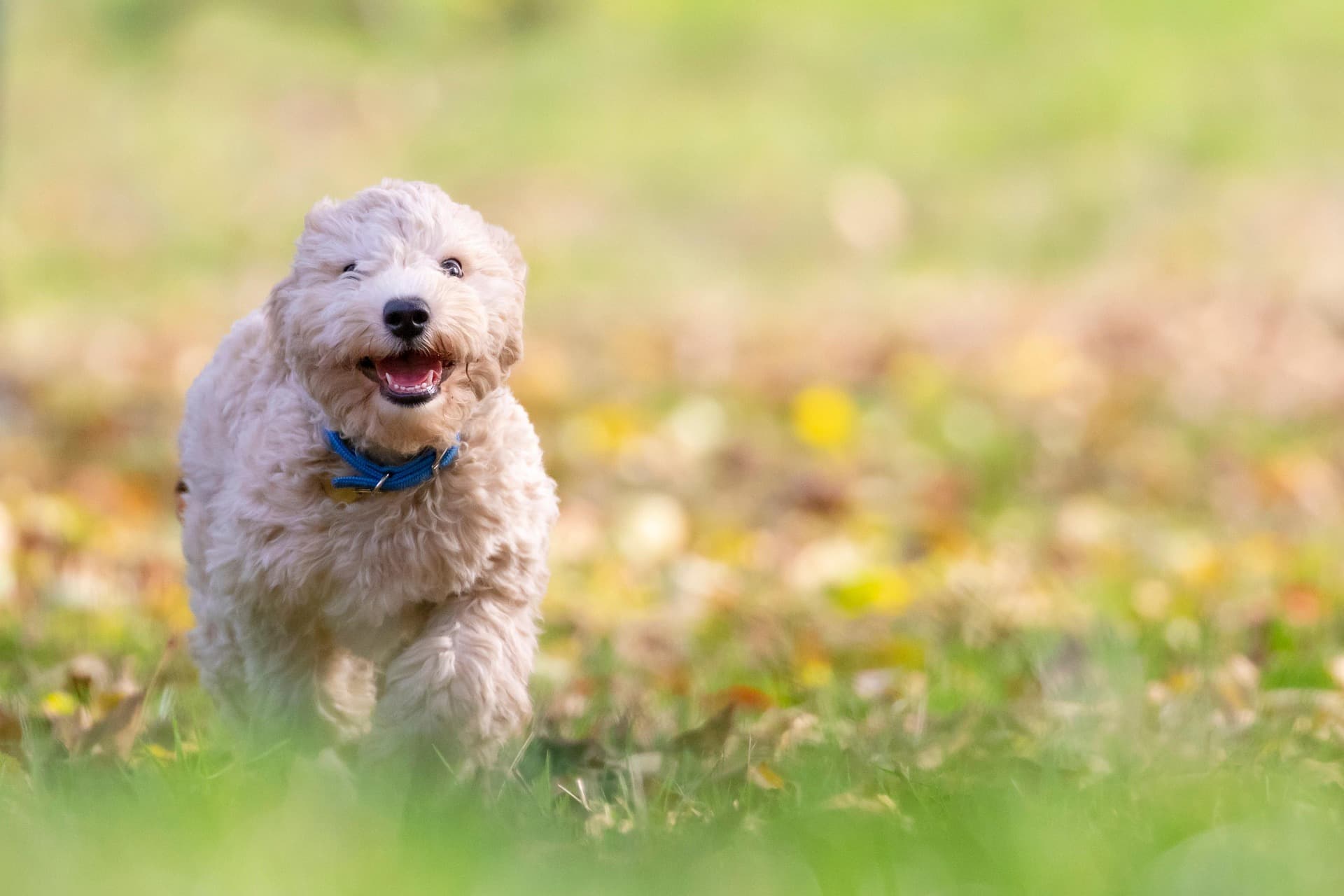
To care for your dog's coat at home between grooming sessions, brush regularly with the right tools, bathe only after brushing, and check ears, paws, armpits and tail base each week. Professional grooming every six to eight weeks keeps things tidy, but day-to-day habits are what actually prevent matting, protect skin health and reduce shedding around the house.
Understanding Your Dog's Coat Type
Before you pick up a brush, it helps to understand what kind of coat your dog has. Different coat types need different tools and techniques.
Smooth Coat
Examples: Beagle, Boxer, Dachshund, French Bulldog
Short, close-lying hair that sheds moderately. These coats are low-maintenance but still benefit from weekly brushing to remove loose hair and distribute natural oils.
Double Coat
Examples: Golden Retriever, Labrador, Husky, German Shepherd
A dense, insulating undercoat beneath a longer outer coat. Double-coated breeds shed heavily, especially during seasonal changes in spring and autumn. Regular brushing is essential to prevent the undercoat from becoming compacted.
Wire/Rough Coat
Examples: Schnauzer, Wire Fox Terrier, Brussels Griffon
Coarse, bristly outer hair with a softer undercoat. These coats need regular hand-stripping or clipping to maintain their texture. Between professional sessions, weekly brushing prevents tangles.
Curly/Wavy Coat
Examples: Poodle, Bichon Frise, Portuguese Water Dog, Doodle mixes
These coats grow continuously and don't shed much, but they're the most prone to matting. They need the most frequent brushing - ideally every day or every other day - and regular professional grooming every 4-6 weeks.
Long/Silky Coat
Examples: Maltese, Yorkshire Terrier, Afghan Hound, Shih Tzu
Fine, flowing hair that can mat easily, especially behind the ears, under the legs, and around the collar area. Daily or every-other-day brushing is recommended.
Essential Brushing Guide by Coat Type
Using the right brush makes all the difference. Here's a quick reference guide:
Smooth Coats
- Best tool: Rubber curry brush or bristle brush
- Frequency: Once a week
- Technique: Short, firm strokes in the direction of hair growth. The rubber brush is great for loosening dead hair, followed by a bristle brush to smooth and add shine.
Double Coats
- Best tool: Undercoat rake + slicker brush
- Frequency: 2-3 times per week (daily during shedding season)
- Technique: Start with the undercoat rake to remove loose undercoat hair, working in sections. Follow up with a slicker brush to smooth the outer coat. Always brush in the direction of hair growth.
Wire/Rough Coats
- Best tool: Slicker brush + metal comb
- Frequency: 2-3 times per week
- Technique: Use the slicker brush to work through the coat, then follow with a metal comb to check for any tangles you missed. Pay special attention to the beard and leg furnishings.
Curly/Wavy Coats
- Best tool: Slicker brush + metal comb
- Frequency: Daily or every other day
- Technique: Use a line-brushing method - part the coat in sections and brush from the skin outward. This is the only way to properly reach the base of the coat where mats form. Finish with a metal comb to verify there are no hidden tangles.
Long/Silky Coats
- Best tool: Pin brush + metal comb + detangling spray
- Frequency: Daily or every other day
- Technique: Lightly mist with detangling spray, then use a pin brush in long, gentle strokes. Work through any tangles with the metal comb, starting from the tips and working toward the skin. Never yank through a tangle.

Preventing and Dealing with Mats
Mats are clumps of tangled, densely packed hair that form close to the skin. They're not just unsightly - they're painful. Mats pull on the skin, trap moisture and bacteria, restrict blood flow, and can cause skin irritation or even open sores.
Where Mats Form Most Often
Mats tend to appear in areas with friction or movement:
- Behind the ears
- Under the collar (remove the collar regularly to brush this area)
- Armpits (front and rear)
- Around the groin area
- Between the toes
- On the tail and hindquarters
- Where the legs meet the body
How to Prevent Mats
- Brush regularly: The single most effective prevention method. Consistency beats intensity.
- Brush before bathing: Water tightens existing mats and makes them worse. Always detangle before a bath.
- Dry thoroughly: Damp coats mat faster. Make sure your dog is fully dry after bathing or swimming.
- Remove harnesses and collars: Take them off at home so you can brush the areas underneath.
- Use a detangling spray: For mat-prone coats, a light detangling spray before brushing makes the process easier and more comfortable.
How to Handle Minor Tangles
If you find a small tangle during brushing:
- Hold the hair between the tangle and the skin (so you're not pulling on the skin)
- Work the tangle apart gently with your fingers first
- Use a metal comb to carefully work through it, starting from the outer edge
- Apply detangling spray if the tangle is stubborn
- Never yank or rip through tangles - this hurts and teaches your dog to fear brushing
Bathing Between Grooming Sessions
Many dog owners wonder how often they should bathe their dog at home between professional grooming appointments. The answer depends on your dog's lifestyle and coat type.
When Bathing at Home Makes Sense
- Your dog rolled in something unpleasant (we've all been there)
- After a muddy walk or beach day - a rinse can be enough
- Your dog has a skin condition that requires medicated baths on a specific schedule
- It's been more than 3-4 weeks since the last professional groom and your dog is getting smelly
When to Skip the Home Bath
- Your dog has an appointment within the next week - let the groomer handle it
- Your dog's coat is matted - water will make mats tighter and worse
- You don't have dog-specific shampoo - human shampoo disrupts your dog's skin pH and can cause irritation
- Your dog is anxious about baths and the groomer handles it better
Home Bathing Tips
- Always use dog-specific shampoo: Dog skin has a different pH than human skin. Even baby shampoo is too acidic for dogs.
- Brush before bathing: Remove tangles and loose hair first. This is essential.
- Lukewarm water: Not too hot, not too cold.
- Rinse thoroughly: Leftover shampoo causes itching and flaking.
- Dry completely: Especially for double-coated and curly-coated breeds. A damp coat is a breeding ground for mats and skin issues.
- Don't over-bathe: Bathing too frequently strips natural oils from the coat, leading to dry, itchy skin. For most dogs, once a month between grooming sessions is plenty.
Quick Daily Checks Every Owner Should Do
Beyond brushing, a simple 2-minute daily check can help you catch problems early and keep your dog in top shape between grooming visits.
Eyes
Check for redness, discharge, or crustiness. Wipe away any buildup in the corners with a damp cloth or pet-safe eye wipe. If you notice persistent yellow or green discharge, consult your vet.
Ears
Lift the ear flap and look inside. Healthy ears are pink and clean with no strong odour. Dark brown or black buildup, redness, swelling, or a yeasty smell are signs of infection. Floppy-eared breeds like Cocker Spaniels and Basset Hounds are especially prone to ear issues.
Paws
Check between the toes for debris, grass seeds, or small cuts. In Lisbon's hot summers, check paw pads for burns or cracking after walks. In winter, look for dryness or small cracks. Trim the hair between paw pads if it grows long, as it can collect dirt and cause slipping on smooth floors.
Teeth and Gums
Lift your dog's lips and check for tartar buildup (yellow or brown deposits on teeth), red or swollen gums, or broken teeth. Bad breath beyond the usual doggy smell can indicate dental issues. Ideally, brush your dog's teeth daily with dog-specific toothpaste.
These quick checks take almost no time but can save you from bigger problems down the line. Make them part of your evening routine, and your dog will get used to the handling quickly.
When to Schedule Your Next Professional Grooming
Even with the best at-home care, your dog still needs regular professional grooming. Here are the signs that it's time to book:
- You can't get a comb through the coat smoothly: If your metal comb catches or stops, there are tangles forming that need professional attention.
- The coat looks dull or feels greasy: A buildup of natural oils and dirt that home brushing can't fully address.
- Nails are clicking on the floor: Most dogs need nail trims every 3-4 weeks. If you hear clicking, they're overdue.
- You notice a 'doggy' smell that won't go away: This usually means the coat and skin need a thorough professional wash.
- It's been 4-6 weeks: For most breeds, this is the recommended grooming interval. Curly and long-coated breeds may need to come in every 4 weeks, while smooth-coated breeds can stretch to 6-8 weeks.
- Your dog's hygiene areas need attention: Sanitary trims, ear cleaning, and anal gland checks are best handled by a professional.
Don't wait until your dog looks unkempt or uncomfortable. Regular professional grooming combined with your at-home care is the recipe for a healthy, happy, and great-looking dog.
At PawsN'Surf, we're always happy to advise you on the ideal grooming schedule for your dog's specific breed and coat type. Just ask during your next visit, and we'll create a personalized plan.