How to Prepare Your Dog for Their First Grooming Visit
A complete guide to making your dog's first grooming appointment a calm, positive experience - from at-home prep to what happens during the session.

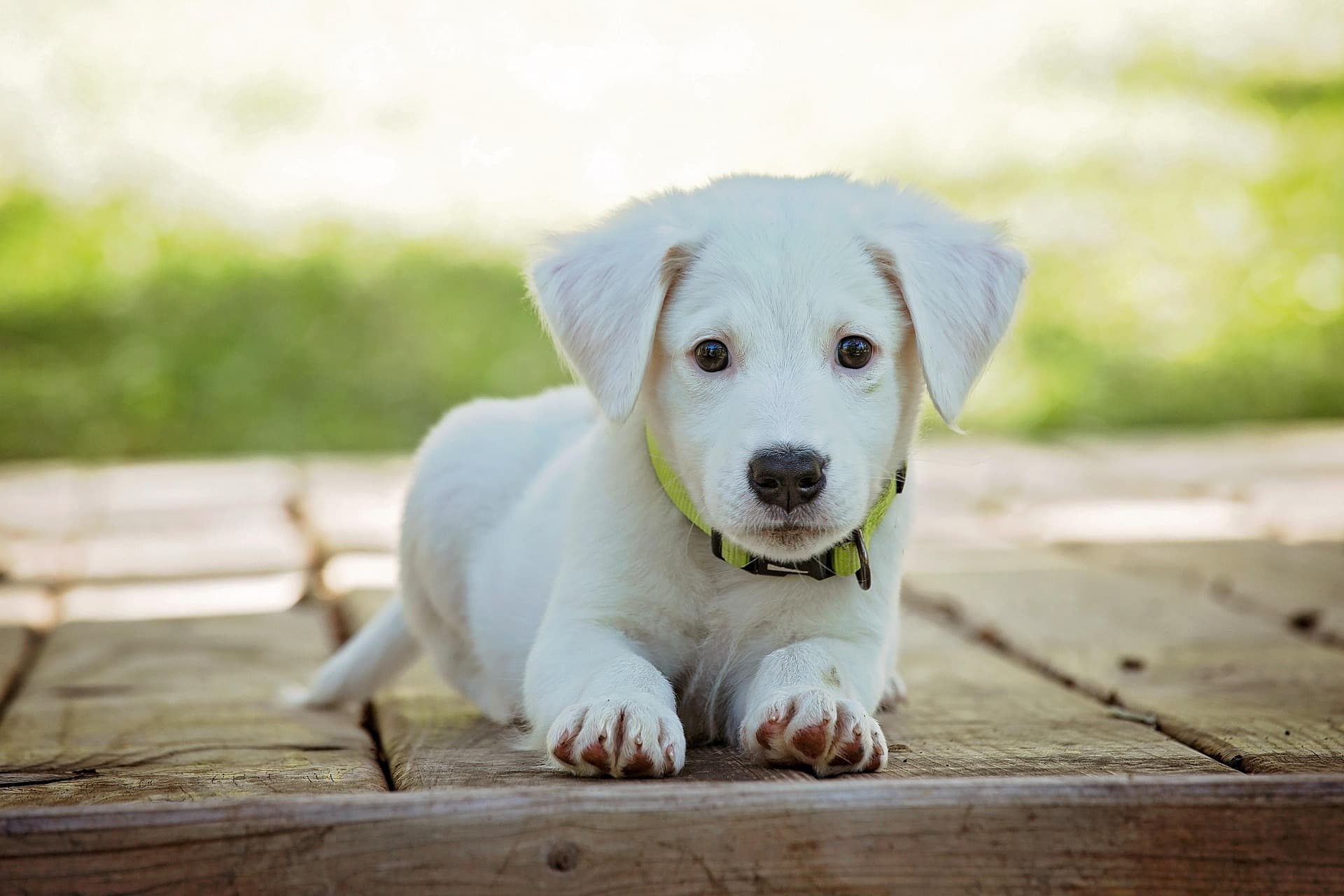
To prepare your dog for their first grooming visit, book the appointment 1 to 2 weeks ahead and spend that time handling paws, ears and muzzle daily, introducing a soft brush and rewarding calm behaviour. Bring the vaccination record, favourite treats and any medication notes. For a puppy, aim for the 12 to 16 week window, right after the second round of vaccinations, so first impressions are positive.
When Should Your Dog Have Their First Grooming?
The timing of a puppy's first grooming appointment matters more than most owners realize. Most professional groomers recommend scheduling the first visit between 12 and 16 weeks of age - ideally about two weeks after your puppy has completed their initial round of vaccinations.
Why this window? At this age, puppies are still in their critical socialization period. New experiences are absorbed more easily and with less fear. Wait too long, and you may end up with a dog who sees the grooming salon as a frightening, unfamiliar place.
For puppies:
- 8-12 weeks: Start handling exercises at home (more on this below)
- 12-16 weeks: Book a short introductory grooming session
- 4-6 months: First full grooming session, depending on breed
For adult or rescue dogs:
If you've adopted an older dog, there's no need to wait. Book a session as soon as your dog has settled into your home - usually after the first one to two weeks. Let the groomer know this is the dog's first professional grooming (or that you don't know their history). A good groomer will adjust their approach accordingly.
Pro tip: Don't wait until your dog's coat is a matted mess before the first visit. The idea is to make the experience pleasant, not to tackle a huge grooming job on day one.
How to Prepare at Home Before the Visit
The best thing you can do for your dog's first grooming appointment is to make the experience feel familiar before they ever step into the salon. Here are practical exercises you can start at home:
Handle Their Body Daily
Spend a few minutes each day gently touching and handling your dog's sensitive areas. This mimics what a groomer will do:
- Paws: Gently hold each paw, touch between the toes, and press lightly on the pads. Many dogs are ticklish here, so go slowly.
- Ears: Lift the ear flaps, look inside, and gently rub around the base.
- Muzzle and mouth: Touch around their lips, gently lift them to look at teeth.
- Tail area: Touch and gently lift the tail.
- Belly: Get them comfortable lying on their side or back.
Reward each handling session with treats and calm praise. Keep sessions short - two to three minutes is plenty.
Introduce Brushing
Start with a soft brush and gentle strokes. Even if your puppy doesn't need brushing yet, the sensation of the brush helps them get used to grooming tools. Brush in the direction of hair growth and pair it with treats.
Get Them Used to Sounds
Clippers, dryers, and running water are part of every grooming session. You can prepare your dog by:
- Playing YouTube videos of clipper and dryer sounds at low volume during meal times
- Gradually increasing the volume over a few days
- Running an electric toothbrush near them (similar vibration to clippers)
- Turning on a hair dryer in another room and rewarding calm behaviour
Practice Short Car Rides
If your dog isn't used to car travel, take a few short trips before the grooming day. The car ride shouldn't be an additional source of stress.
A Quick Bath at Home
If you can, give your dog a gentle bath at home before the first grooming visit. This gets them used to the sensation of water, the sound of running taps, and being wet. Keep it positive with treats and praise.
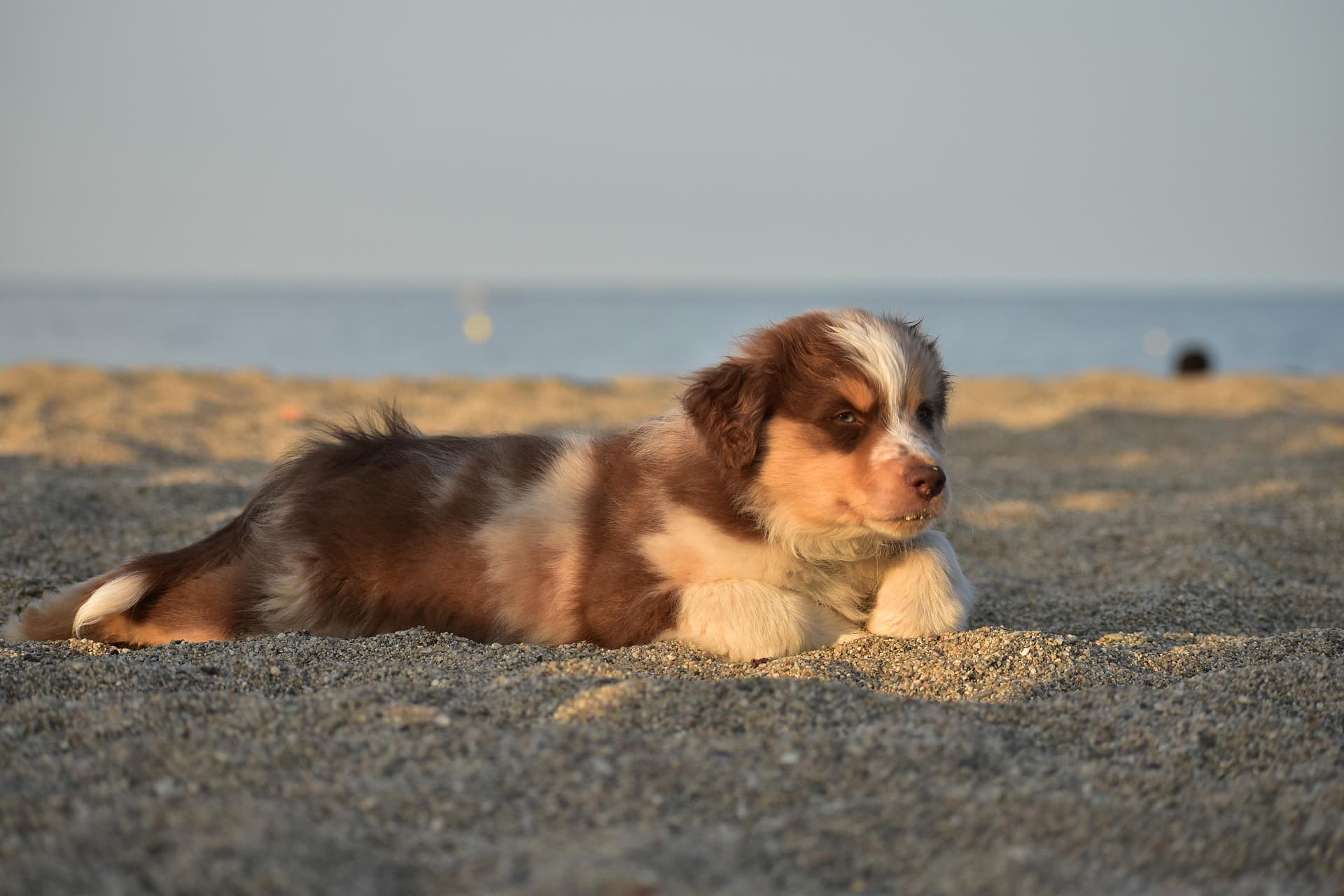
What to Expect During the First Session
Knowing what happens behind the scenes helps you feel more confident - and that confidence transfers to your dog. Here's what a typical first grooming appointment looks like:
The Initial Assessment
A good groomer will start by meeting your dog on the ground, letting them sniff around and get comfortable. They'll ask you about your dog's temperament, any sensitive areas, and what you're hoping for in terms of the cut or style.
Shorter First Sessions
Most experienced groomers keep the first visit intentionally short - usually 30 to 45 minutes instead of the full session. The goal isn't a perfect haircut. It's building trust. The groomer may only do a bath, a light trim, and some nail work, saving the full groom for the second or third visit.
What the Groomer Will Do
Depending on the session length, your dog may experience:
- A warm bath with dog-appropriate shampoo
- Gentle blow-drying (on a low, warm setting)
- Light brushing and detangling
- Nail trimming or grinding
- Ear cleaning
- A sanitary trim
- Face and paw tidying
Should You Stay or Leave?
This is one of the most common questions. In most cases, it's better to leave. Dogs often behave more calmly without their owner present. If you hover anxiously, your dog picks up on that energy. Trust your groomer, give your dog a quick pat, and step out. You can always call to check in.
Don't Expect Perfection
The first groom is about the experience, not the result. If your dog only tolerates a bath and a nail trim, that's a win. Each visit builds on the last, and over time your dog will be comfortable with the full grooming routine.
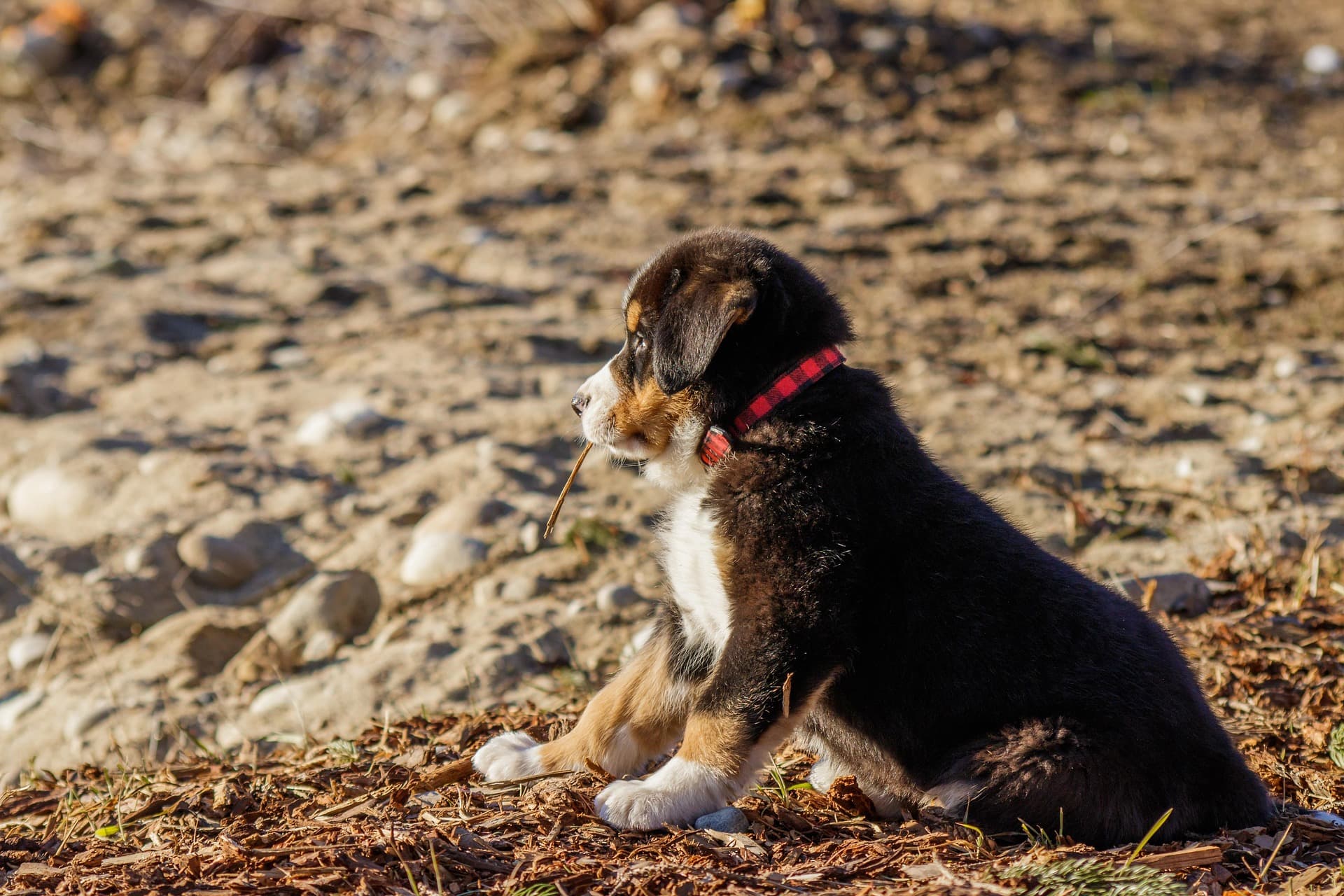
After the Visit: Building Positive Associations
What you do after the first grooming visit is just as important as the preparation. Your goal is to help your dog associate grooming with good things.
Immediate Rewards
As soon as you pick up your dog, be calm and cheerful. Give them their favourite treat, a favourite toy, or take them to a place they love - the park, the beach, or just a fun walk. You want your dog's last memory of the grooming day to be something wonderful.
Watch Their Behaviour
It's perfectly normal for your dog to be a bit tired or subdued after the first session. They've processed a lot of new sensations. Give them a quiet evening to decompress. If they're slightly skittish for a day or two, that's also normal - don't make a big deal of it.
Keep Up the Home Routine
Continue with your at-home handling exercises and brushing between grooming sessions. This reinforces that being touched and groomed is a normal part of life.
Schedule Regular Visits
Consistency is key. Most dogs benefit from grooming every 4 to 6 weeks, depending on their breed and coat type. Regular visits mean the groomer becomes a familiar, trusted person in your dog's life - not a stranger they see twice a year.
The more routine grooming becomes, the less anxiety your dog will feel. Many dogs who were nervous at first eventually walk into the salon wagging their tails.
Red Flags: Signs of a Good vs Bad Grooming Experience
Not all grooming salons are created equal. Here's how to tell if your dog had a good experience - or if you should look elsewhere.
Signs of a good grooming experience:
- Your dog is calm or happily tired when you pick them up (not trembling or cowering)
- No nicks, cuts, or razor burns on the skin
- The groomer is willing to discuss how the session went and any challenges
- The groomer respects your dog's limits and doesn't push too hard on the first visit
- The salon is clean, well-organized, and doesn't smell strongly of stress or fear
- Staff are gentle and patient with animals
Red flags to watch for:
- Your dog is extremely fearful or trembling after pickup - beyond normal tiredness
- Visible cuts, skin irritation, or bruising
- The groomer refuses to discuss what happened during the session
- The groomer insists on completing a full groom on a stressed first-timer
- You hear dogs barking or whimpering excessively from inside the salon
- Rough handling or shouting at dogs
- No willingness to adapt the approach for anxious dogs
Trust your gut. If something feels off, it's OK to try a different groomer. Your dog's emotional wellbeing during grooming is just as important as how they look afterward.