Hand Stripping vs Clipping: Which is Better for Your Dog?
Not sure whether your dog needs hand stripping or clipping? This expert guide breaks down the differences, explains which breeds benefit from each technique, and helps you make the right choice for your dog's coat, health, and lifestyle.

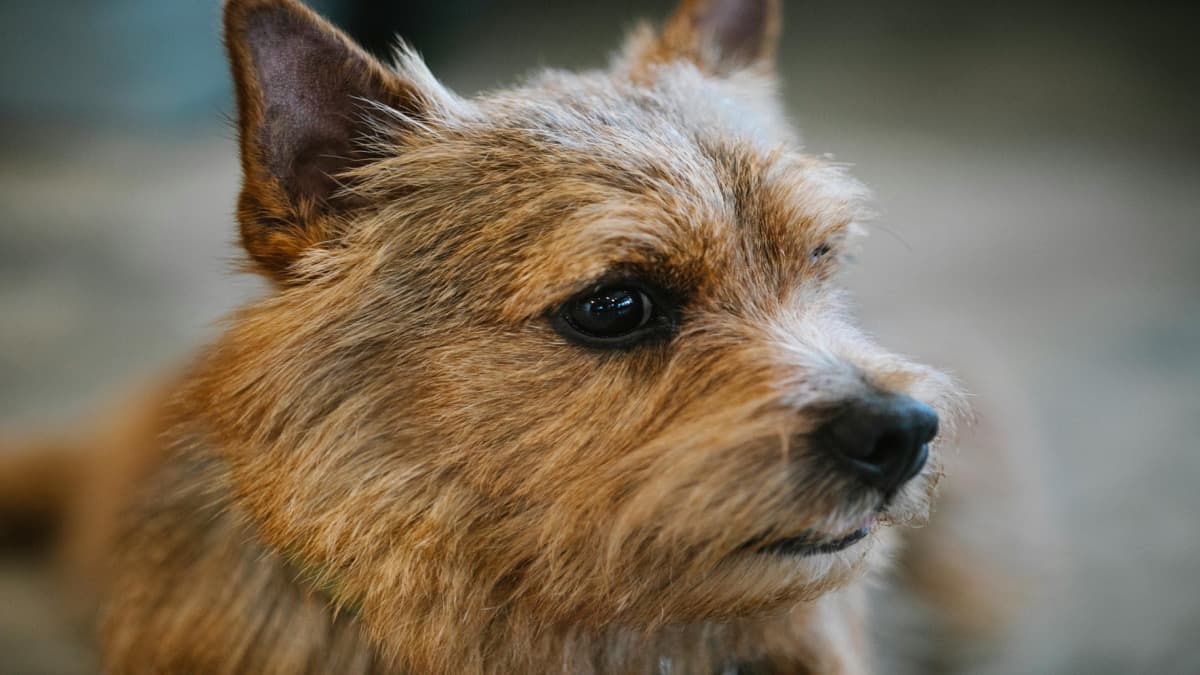
Neither hand stripping nor clipping is universally better; the right choice is dictated by your dog's coat type. Hand stripping pulls dead hair out by the root to preserve the wiry texture, rich color and weather resistance of breeds like Terriers and Schnauzers. Clipping cuts hair at the surface with electric blades and is the correct choice for Poodles, Bichons, doodles and single-coated breeds.
What is Hand Stripping?
Hand stripping is the traditional method of grooming wire-coated breeds. Instead of cutting the coat with clippers, the groomer removes dead outer hairs by pulling them out from the root - either by hand or with a specialized stripping knife.
That might sound uncomfortable, but here's the key: on wire-coated breeds, the dead outer coat (called the "guard coat") is already loose in the follicle. It's ready to come out. A skilled groomer pulls only the dead hairs, and for the dog, it feels similar to how you'd feel brushing out a loose hair from your own head. No pain, no stress.
This technique has deep roots. It was originally developed for working terriers and sporting dogs in the UK and Ireland. These dogs needed a harsh, weather-resistant coat to protect them while working in rough terrain, thorny brush, and cold water. Clippers didn't exist yet, so groomers learned to maintain the coat by removing dead hair and letting the fresh, wiry coat grow through.
The process takes skill and patience. A full hand strip can take 2-3 hours depending on the breed and coat condition. The groomer works section by section, pulling small amounts of hair at a time, shaping the coat while preserving the natural wiry texture.
What is Clipping?
Clipping is exactly what it sounds like: using electric clippers to cut the coat to a desired length. It's the method most people picture when they think of dog grooming.
Clipping is faster (typically 30-60 minutes for a full groom), generally more affordable per session, and works beautifully on many coat types. Poodles, Bichons, Shih Tzus, and most mixed breeds do great with clipping. It's versatile, efficient, and perfectly appropriate for the vast majority of dogs.
The distinction matters for wire-coated breeds specifically. Clippers cut the hair shaft at whatever point the blade meets it. They don't remove the hair from the root. For soft or curly coats, that's fine - the hair grows back the same way. But for wire coats, cutting rather than pulling changes the coat over time. More on that below.

The Key Differences
| Factor | Hand Stripping | Clipping |
|---|---|---|
| Coat texture | Maintains the wiry, coarse texture | Coat becomes progressively softer |
| Color | Preserves natural rich color | Colors tend to fade over repeated sessions |
| Skin health | Stimulates hair follicles, promotes healthy regrowth | No follicle stimulation |
| Session duration | 2-3 hours | 30-60 minutes |
| Frequency | Every 6-8 weeks | Every 4-6 weeks |
| Cost per session | Higher | Lower |
| Best suited for | Wire-coated breeds | Soft, double, and curly coats |
The biggest difference comes down to what happens at the follicle level. Hand stripping removes the entire dead hair, allowing a new, strong wire hair to grow from the root. Clipping cuts the hair partway, so the softer undercoat underneath starts to dominate. Over several clipping cycles, a wire coat loses its characteristic harsh texture and becomes fluffy and soft.
Which Breeds Need Hand Stripping?
Hand stripping is specifically designed for wire-coated (also called "broken-coated") breeds. Here are the most common ones:
Terriers:
- Wire Fox Terrier
- Airedale Terrier
- Welsh Terrier
- Border Terrier
- West Highland White Terrier
- Scottish Terrier
- Cairn Terrier
- Lakeland Terrier
- Norwich and Norfolk Terrier
- Irish Terrier
Schnauzers:
- Miniature Schnauzer
- Standard Schnauzer
- Giant Schnauzer
Sporting and other breeds:
- Wire-haired Dachshund
- German Wirehaired Pointer
- Wirehaired Pointing Griffon
- Irish Wolfhound
- Affenpinscher
- Brussels Griffon
- Cocker Spaniel (show coat maintenance)
- English Springer Spaniel (show coat maintenance)
One thing to keep in mind: even within these breeds, not every individual dog has a coat that strips well. Some pet-line dogs (as opposed to show-line dogs) may have coats that are softer than the breed standard. A good groomer can assess your specific dog's coat and give you honest advice about whether hand stripping will produce good results.
What Happens If You Clip a Wire Coat?
This is the question I get asked most often, and I want to be straightforward about it.
If you clip a wire-coated breed, the coat texture will change. Here's what typically happens over multiple clipping sessions:
Texture change. The coarse, wiry outer coat gets cut, and the softer undercoat takes over. After a few clippings, the coat feels cottony or fluffy rather than harsh and bristly. Many owners notice this within 2-3 sessions.
Color fading. Wire coats get their rich, deep colors from the outer guard hairs. When those are cut rather than pulled, the lighter-colored undercoat shows through. A deep black and silver Schnauzer may start to look more grey. A rich red Irish Terrier may appear washed out.
Loss of weather resistance. The original wire coat was designed by nature (and selective breeding) to repel water and resist dirt. A clipped coat loses some of this functionality, though for most pet dogs living indoors, this isn't a major concern.
Can the coat go back to normal? Yes, but it takes time. If a wire coat has been clipped for years, it usually takes 2-3 full hand stripping cycles (so roughly 4-6 months) for the coat to return to its proper texture and color. Some very long-clipped coats may never fully return to their original quality.
Now, the balanced perspective: clipping a wire coat is not harmful to the dog. It doesn't cause pain, skin problems, or health issues. It's purely an aesthetic and functional change. If you have a pet wire-coated dog and you prefer the convenience and lower cost of clipping, that's a perfectly valid choice. Your dog will be clean, comfortable, and happy either way.
How to Choose the Right Method for Your Dog
Here's a practical framework to help you decide:
Choose hand stripping if:
- Your dog is a wire-coated breed
- You want to maintain the breed-standard look and coat texture
- You plan to show your dog (hand stripping is required for show ring presentation)
- You value the longer-lasting results (6-8 weeks between sessions)
- You're willing to invest in higher per-session costs
- Your dog has a patient temperament and can handle longer grooming sessions
Choose clipping if:
- Your dog has a soft, curly, or double coat (hand stripping doesn't apply)
- You have a wire-coated breed but prefer the softer, fluffier look
- Your dog is anxious or doesn't tolerate long grooming sessions well
- You prefer quicker, more affordable grooming visits
- Coat texture and color preservation aren't priorities for you
A few more things to consider:
Your dog's temperament matters. Hand stripping requires the dog to stand (or lie) relatively still for 2-3 hours. Some dogs handle this perfectly, others find it stressful. A good groomer will work with your dog's comfort level, taking breaks as needed, but if your dog truly hates longer sessions, clipping might be the kinder choice.
Age can be a factor. Puppies of wire-coated breeds should ideally be introduced to hand stripping early, around 4-6 months, so they get used to the sensation. Starting hand stripping on an older dog who has always been clipped can be more challenging, though it's certainly not impossible.
You can combine both methods. Some owners choose to hand strip the body and back (where texture and color matter most visually) while clipping the legs and belly for efficiency. This hybrid approach works well for many pet owners.
The best advice I can give: find a groomer who genuinely knows both techniques and will recommend what's best for your specific dog rather than defaulting to whatever is faster or more profitable.
Hand Stripping at PawsN'Surf
At my studio in Campolide, Lisbon, I offer professional hand stripping for all wire-coated breeds. With over 12 years of experience, I've worked with everything from tiny Border Terriers to full-sized Airedale Terriers, and I always start with an honest coat assessment before recommending a technique.
If you're not sure whether your dog's coat is suitable for hand stripping, or if you'd like to transition from clipping back to hand stripping, I'm happy to take a look and give you my professional opinion - no obligation.
You can learn more about the process on our hand stripping service page or book a consultation directly.
Conclusion
There's no single "better" method. Hand stripping preserves the natural texture, color, and function of a wire coat, but it costs more and takes longer. Clipping is efficient, affordable, and works perfectly for the majority of coat types - though it changes wire coats over time.
The real answer depends on your dog's breed, coat condition, temperament, and your own preferences as an owner. And the best groomer is one who knows both techniques well enough to recommend honestly, even if that means suggesting the option that's less profitable for them.
Your dog deserves a groomer who cares about the coat as much as you do.
Viktoria Valietova - Professional Dog Groomer & Founder of PawsN'Surf, Lisbon